recruiting
How does the gender pay gap affect recruiting in Austria?
- recruiting
- Gender pay gap
- Personnel management
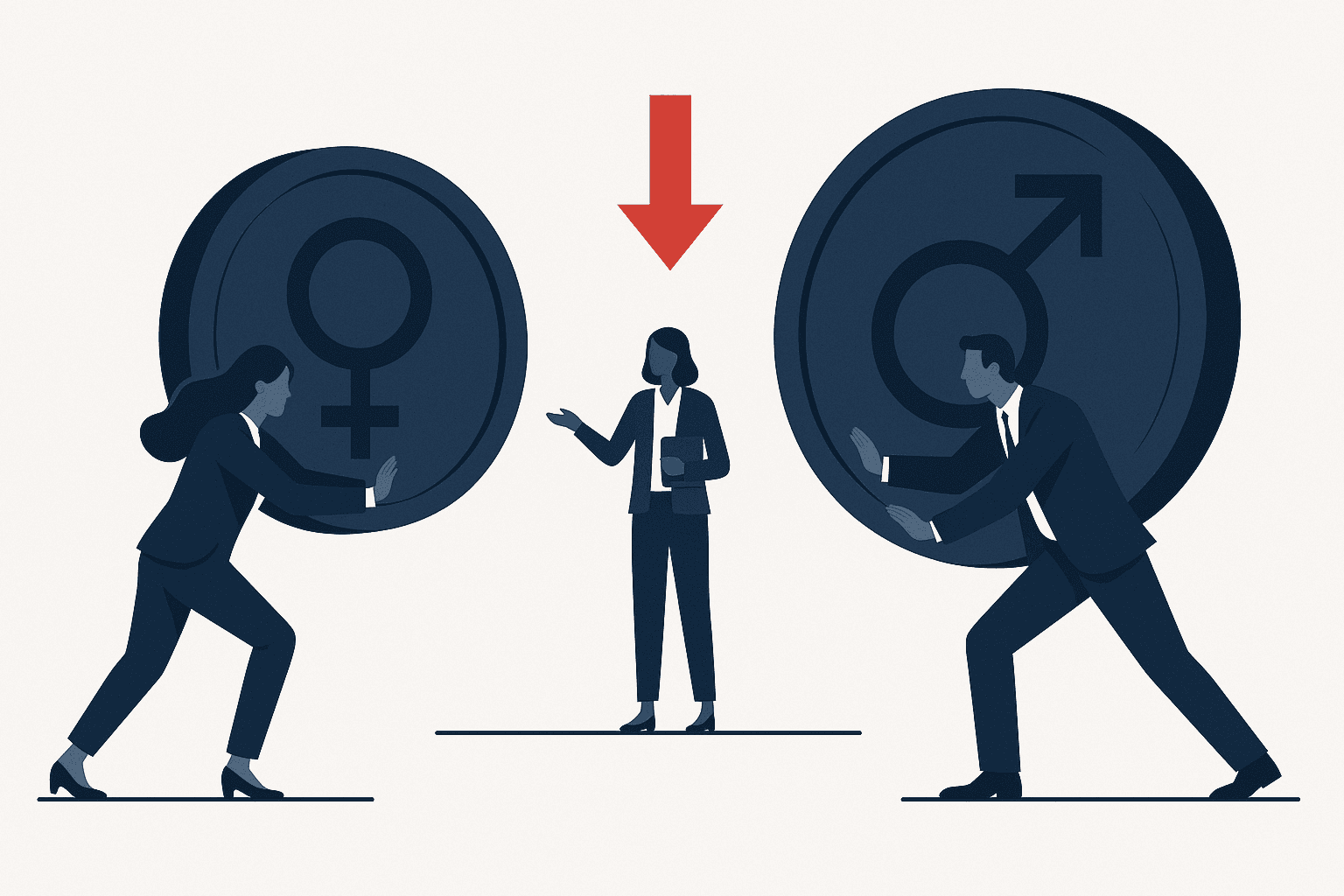
The gender pay gap in Austria makes it challenging for companies to attract and retain qualified female specialists, as transparency and equal treatment are becoming increasingly important.
Introduction: The gender pay gap in Austria
The gender pay gap is a critical issue in the Austrian workforce. With an unadjusted gap of 17.6% in 2024, Austria is significantly above the EU average of 11.1%. This discrepancy affects not only salaries but also the reputation and effectiveness of recruitment.
Industries particularly affected
In Austria, some industries are particularly affected by the gender pay gap. The consulting, auditing, and legal sectors, for example, show a gap of 19.4%, while education and training stand at 16.8%. These differences often make it harder to attract female talent in these fields.
- Consulting, auditing, and legal: -19.4%
- Education & training: -16.8%
- Real estate sector: -16.7%
Part-time employment as a factor
Another significant factor is the high part-time employment rate among women. 51.1% of employed women work part-time, compared to just 13% of men. This discrepancy significantly influences salary differences and hinders women's growth and advancement in full-time positions.
Impact on recruiting
Companies with a high gender pay gap could increasingly struggle to recruit highly qualified female specialists. Transparency and equal treatment are crucial for many female job seekers. Unequal pay and lack of career opportunities can negatively impact the company's image and competitive edge in the talent market.
Legal measures and their impact
Despite legal efforts like the Austrian Income Report, no significant reduction in the gender pay gap has been observed so far. This indicates that legal measures alone are insufficient to bring about fundamental change.
Frequently Asked Questions
Particularly affected are industries such as consulting, auditing, and legal, education and training, as well as real estate.
The high part-time rate among women significantly contributes to the gender pay gap, as it often means fewer promotion opportunities and lower salaries.
A high gender pay gap can make a company less attractive to female specialists and hinder recruiting efforts.
The Austrian Income Report is a measure for salary transparency but has not yet shown a significant effect on the gender pay gap.
This post was AI-assisted and editorially reviewed.
Sources
Open position that's difficult to fill?
Talk to us about your vacancy. We’ll honestly tell you what the market offers – and how we can fill it.